
You don't need an Etsy shop, a faceless YouTube channel, or another AI ebook to make real money. Anyone can copy those in a day, and it can take months before anyone pays you. Meanwhile, businesses are already paying agencies thousands of dollars a month for work that AI can now do in minutes. The smarter play is to take a skill you already have, package it as a service, and let Claude handle most of the heavy lifting.
If you're a developer, that could mean building a chatbot that answers a dental clinic's WhatsApp messages at night. If you do bookkeeping, it's sorting receipts for small shops. The skill is already in your head. You just need to point it at businesses that will pay for it.
That is the big game changer. There's no app to build first. The day a business says yes, you can start charging.
Why Most AI Side Hustle Advice Falls Flat
The internet is flooded with the same three ideas. Start an Etsy shop selling AI-generated printables. Launch a faceless YouTube channel with stock footage and a robot voice. Write an ebook with ChatGPT and sell it on Gumroad.
These aren't bad ideas because they don't work. They're bad ideas because the barrier to entry is basically zero. Someone watches a 10-minute tutorial, copies the exact same workflow, and now you're both competing for the same scraps. The market gets saturated in weeks, not months.
And the timeline kills most people's motivation. You might spend three months building a channel, designing products, or writing that ebook before a single dollar shows up. Most people quit before they ever see traction.
Businesses don't operate like that. They have problems right now. They have budgets allocated right now. They're already paying other people to solve these problems. You just need to show up with a solution that works.
Start With What You Already Know
The whole approach hinges on one thing: you don't learn a new skill from scratch. You take something you already do and let Claude accelerate it.
The example from the video is straightforward. A developer knows how to build things. A dental clinic has patients messaging at 10 p.m. asking about appointment availability. The receptionist is home asleep. A simple chatbot connected to their booking system solves that. The clinic looks professional, captures the lead, and the developer charges a monthly fee to maintain it.
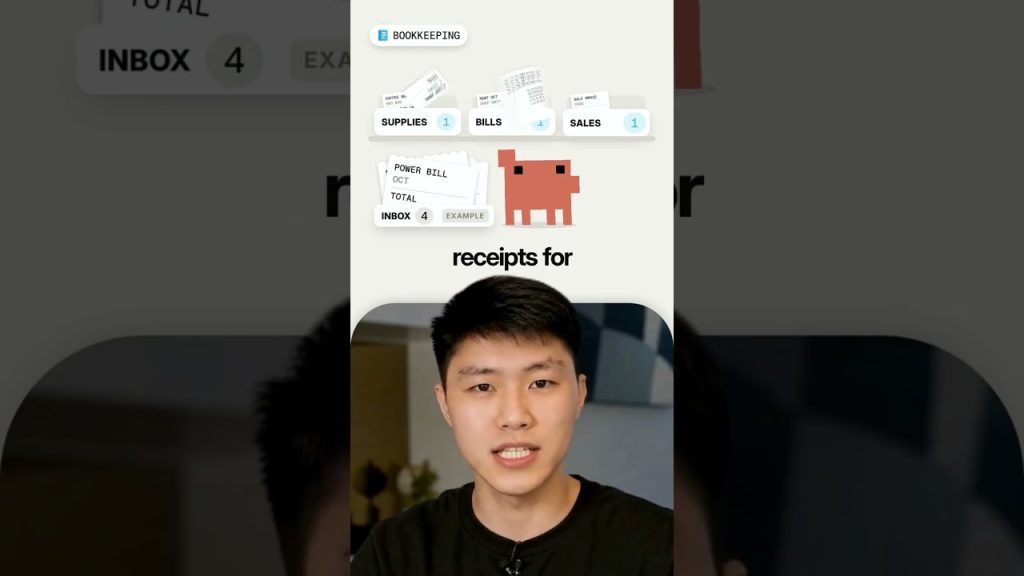
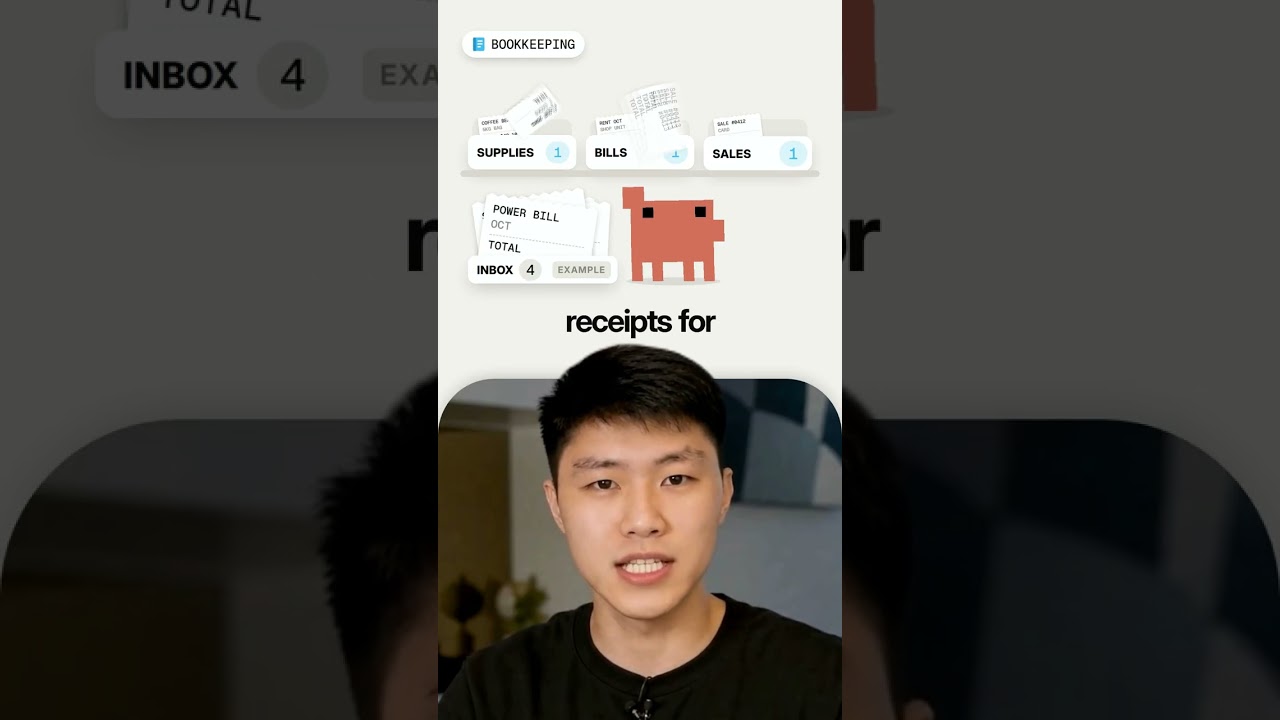
A bookkeeper already understands receipts, categorization, and reconciliation. Small shop owners hate that work. They throw receipts in a shoebox and dread tax season. Claude can sort, categorize, and flag discrepancies in seconds. The bookkeeper reviews the output, adds their judgment, and delivers a clean report. The client pays for peace of mind.
The pattern is the same across every industry. Graphic designers can generate brand kits and social media templates. Marketers can produce weekly email sequences. Customer support veterans can build knowledge bases and automated response systems. You already have the domain expertise. Claude just removes the grunt work.
How to Find and Land Your First Client
The process breaks down into three steps that you can run in a single afternoon.
Step One: Tell Claude What You Do
Open Claude and describe your job in plain language. Be specific about what you actually do day to day, not just your job title. A developer doesn't just "write code." They build APIs, debug production issues, set up authentication flows, integrate third-party services. A bookkeeper doesn't just "do books." They reconcile transactions, categorize expenses, prepare profit and loss statements, flag unusual spending patterns.
Then ask Claude a simple question: based on this skill set, what services could I sell to small businesses that you could help me deliver?
Claude will generate a list. Some ideas will be obvious. Some will surprise you. Pick the ones that feel closest to what you already know and that solve an actual pain point for a business owner.
Step Two: Find the Businesses That Need It
Turn on Claude's web search capability. Give it a clear prompt: find 30 businesses in a specific niche that would benefit from this service. You can narrow it by location, industry, or size.
For the dental clinic chatbot example, you might search for dental practices in a particular city that don't have live chat on their website. For receipt sorting, you'd look for small retail shops, independent contractors, or restaurant owners who are clearly handling their own admin.
Claude returns a list of actual businesses with some context about each one. You're not cold-calling into the void. You're reaching out to specific people with a specific problem you can solve.
Step Three: Let Claude Write the Outreach
This is where most people freeze. They don't know what to say. They worry about sounding salesy or getting ignored.
Feed Claude the details of one business and ask it to write a personal message. Not a template. A message that references something specific about that business. Maybe you noticed their website doesn't have a chatbot. Maybe you saw they have great Google reviews but no way for customers to book online. Claude writes the message. You read it, tweak it to sound like you, and send it yourself.
You send the messages yourself. That part matters. Claude writes the draft. You're still the human hitting send.
No App to Build First
This is the piece that flips the traditional startup advice on its head. You don't spend six weeks building a SaaS product. You don't validate an idea with a landing page and a waitlist. You don't raise money or find a cofounder.
You find a business that needs something. You tell them you can do it. They say yes. Then you deliver the work, with Claude doing the heavy lifting behind the scenes.
The service itself might be manual at first. You might run Claude locally, review the output, and send it to the client. Over time, you can automate more of the pipeline. But you don't need to build anything before you have a paying customer.
The day a business says yes, you can start charging. That's the entire model.
What Kinds of Services Actually Sell
The video mentions a few concrete examples that are already working in the market.
Chatbots for local service businesses. Dental clinics, law firms, plumbing companies, HVAC contractors. These businesses get inquiries after hours. A chatbot that answers common questions and books appointments directly into their calendar is worth hundreds of dollars a month to them. They're already paying for answering services that cost more and do less.
Receipt and expense sorting. Every small business owner drowns in paperwork. Contractors buy materials at Home Depot, fill up the truck, grab lunch with a client. The receipts pile up. A service that takes photos of receipts, categorizes everything, and delivers a clean monthly report solves a real headache.
3D home tours. The video references this as a high-ticket example. Home builders and real estate agents pay thousands for virtual tours. AI tools can now generate these from photos or floor plans. If you understand spatial design or have a background in architecture or photography, this is a service you can offer at a premium.
The common thread is that these aren't speculative products. They're services that businesses already buy. You're just delivering them faster and cheaper because AI handles the production.
Key Takeaways
- Most AI side hustle advice pushes you into crowded markets with low barriers to entry and long timelines to revenue. Skip that.
- Use a skill you already have. Domain expertise is the thing Claude can't replicate. Your judgment, your experience, your understanding of a specific industry is the moat.
- Claude does the heavy lifting on delivery. You provide the expertise, review the output, and maintain the client relationship.
- Finding clients is a three-step process: define your service with Claude, use web search to find specific businesses that need it, and let Claude draft personal outreach messages that you send yourself.
- You don't need to build an app, a platform, or a product before you start charging. The day a business says yes, you can begin.
- Businesses already pay agencies thousands a month for this kind of work. You're offering the same thing at a lower cost with faster turnaround.
What Happens After the First Yes
Once you land one client, the model compounds. You learn what they actually need versus what you assumed they'd need. You refine the service. You get a testimonial. You use that testimonial in your next batch of outreach.
The second client is easier than the first. The fifth is easier than the second. At some point, you have a small roster of businesses paying you monthly, and Claude is handling the bulk of the production work. You spend your time on relationships, quality control, and finding the next client.
That's how you get to $5,000 a month. Not by chasing viral trends or building an audience from zero. By solving real problems for businesses that already have money to spend.